Graphene, a one-atom-thick layer of carbon, has been widely touted as a revolutionary material with incredible properties. One of its most promising applications is in the field of energy storage, particularly in the development of graphene batteries. These batteries have the potential to significantly improve the performance and capacity of current battery technology, leading to longer-lasting and more efficient energy storage solutions.
What is Graphene Battery?
A graphene battery is a type of rechargeable battery that utilizes graphene as the main component in its electrodes. Graphene is an exceptional material due to its unique properties, such as its high electrical conductivity, large surface area, and mechanical strength. These properties make it an ideal candidate for battery applications, as it enables faster charging and discharging, higher energy density, and longer lifespan compared to traditional lithium-ion batteries.
How Does Graphene Battery Work?
Graphene batteries work by utilizing the exceptional properties of graphene to improve the performance of the battery. In a graphene battery, graphene is used as the electrode material, which significantly increases the surface area available for the electrochemical reactions to occur. This larger surface area allows for faster ion transfer and therefore, faster charging and discharging times.
Additionally, graphene’s high electrical conductivity helps reduce the internal resistance of the battery, resulting in higher energy efficiency. The mechanical strength of graphene also contributes to the battery’s durability and lifespan, as it can withstand repeated charging and discharging cycles without significant degradation.
Advantages of Graphene Battery
Graphene batteries offer several advantages over traditional lithium-ion batteries. Firstly, they have a much higher energy density, meaning they can store more energy in the same volume. This allows for smaller and lighter batteries, making them particularly appealing for portable electronic devices and electric vehicles.
Furthermore, graphene batteries have a significantly longer lifespan compared to lithium-ion batteries. The mechanical strength of graphene enables it to withstand thousands of charging and discharging cycles without losing capacity or efficiency. This extended lifespan not only reduces the frequency of battery replacements but also contributes to a more sustainable and environmentally friendly energy storage solution.
Future Applications of Graphene Battery
The potential applications of graphene batteries are vast and far-reaching. Apart from powering portable electronic devices and electric vehicles, graphene batteries can revolutionize the renewable energy sector. They can be used to store energy generated from renewable sources like solar and wind power, ensuring a consistent and reliable energy supply even when the sun is not shining or the wind is not blowing.
Graphene batteries can also find applications in the medical field, where the need for reliable and long-lasting power sources is critical. They can power medical implants, such as pacemakers and insulin pumps, providing a more efficient and sustainable solution compared to traditional batteries.
In conclusion, graphene batteries hold immense promise for the future of energy storage. With their exceptional properties and numerous advantages over traditional batteries, they have the potential to revolutionize multiple industries and contribute to a more sustainable and efficient energy landscape.
As research and development in graphene batteries continue to progress, we can look forward to witnessing even more remarkable advancements and applications in the near future. Whether it’s providing longer-lasting power for our smartphones or powering the renewable energy grid, graphene batteries are poised to make a significant impact on our daily lives and the world around us.
Affiliate Program
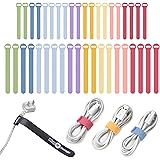
Self-Gripping Cable Ties by Wrap-It Storage, Macaron, 40 Pack (5 Inch and 8 Inch Straps) – Reusable Hook and Loop Cord Wraps for Home Office Desk Organization
$14.99 (as of March 21, 2026 02:58 GMT +00:00 – More infoProduct prices and availability are accurate as of the date/time indicated and are subject to change. Any price and availability information displayed on [relevant Amazon Site(s), as applicable] at the time of purchase will apply to the purchase of this product.)
Apple 2026 MacBook Air 15-inch Laptop with M5 chip: Built for AI, 15.3-inch Liquid Retina Display, 16GB Unified Memory, 512GB SSD, 12MP Center Stage Camera, Touch ID, Wi-Fi 7; Midnight
$1,249.00 (as of March 21, 2026 02:58 GMT +00:00 – More infoProduct prices and availability are accurate as of the date/time indicated and are subject to change. Any price and availability information displayed on [relevant Amazon Site(s), as applicable] at the time of purchase will apply to the purchase of this product.)
Replacement for Apple-TV-4K-Remote, Remote Control for Apple TV 4K/HD (NOT Siri and Voice)
$7.99 (as of March 21, 2026 02:58 GMT +00:00 – More infoProduct prices and availability are accurate as of the date/time indicated and are subject to change. Any price and availability information displayed on [relevant Amazon Site(s), as applicable] at the time of purchase will apply to the purchase of this product.)
(Pack of 2) Replacement Remote Control Only for Roku TV, Compatible for TCL Roku/Hisense Roku/Onn Roku/Sharp Roku/Element Roku/Westinghouse Roku/Philips Roku Smart TVs (Not for Roku Stick and Box)
$9.97 (as of March 21, 2026 02:58 GMT +00:00 – More infoProduct prices and availability are accurate as of the date/time indicated and are subject to change. Any price and availability information displayed on [relevant Amazon Site(s), as applicable] at the time of purchase will apply to the purchase of this product.)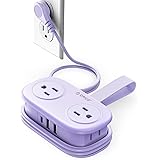
ORICO 4FT Purple Travel Power Strip with 4 AC Outlets, 2 USB-A Ports, and 1 USB-C Port, 45° Flat Plug Extension Cord with Non Surge Protector for Travel/Home/Dorm/Office-AP3
$16.48 (as of March 21, 2026 02:58 GMT +00:00 – More infoProduct prices and availability are accurate as of the date/time indicated and are subject to change. Any price and availability information displayed on [relevant Amazon Site(s), as applicable] at the time of purchase will apply to the purchase of this product.)
Amazon Echo Spot (newest model), Great for nightstands, offices and kitchens, Smart alarm clock, Designed for Alexa+, Black
$49.99 (as of March 21, 2026 02:58 GMT +00:00 – More infoProduct prices and availability are accurate as of the date/time indicated and are subject to change. Any price and availability information displayed on [relevant Amazon Site(s), as applicable] at the time of purchase will apply to the purchase of this product.)
LSS Laptop 17-17.3″ Skin Cover with Colorful Almond Trees Pattern for HP Dell Lenovo Apple Asus Acer Compaq – Fits 16.5″ 17″ 17.3″ 18.4″ 19″ (2 Wrist Pads Free)
$13.95 (as of March 21, 2026 02:58 GMT +00:00 – More infoProduct prices and availability are accurate as of the date/time indicated and are subject to change. Any price and availability information displayed on [relevant Amazon Site(s), as applicable] at the time of purchase will apply to the purchase of this product.)
10Ft Extension Cord with Multiple Outlets, Flat Plug Surge Protector Power Strip 10 Ft Long Cord, 8 Outlets & 4 USB Ports (2 USB C), Desk Charging Station for Home Office, College Dorm Room Essentials
$9.98 (as of March 21, 2026 02:58 GMT +00:00 – More infoProduct prices and availability are accurate as of the date/time indicated and are subject to change. Any price and availability information displayed on [relevant Amazon Site(s), as applicable] at the time of purchase will apply to the purchase of this product.)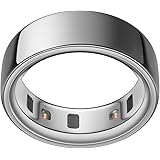
Oura Ring 4 – Silver – Size 8 – Sleep, Activity, Women’s Health, AI Advisor, Up to 8 Days of Battery Life, Size Before You Buy, Android & iOS Compatible
$349.00 (as of March 21, 2026 02:58 GMT +00:00 – More infoProduct prices and availability are accurate as of the date/time indicated and are subject to change. Any price and availability information displayed on [relevant Amazon Site(s), as applicable] at the time of purchase will apply to the purchase of this product.)