Electric vehicles (EVs) are gaining popularity as an eco-friendly alternative to traditional gasoline-powered cars. They operate using an electric motor powered by a rechargeable battery, which eliminates the need for gas and produces zero tailpipe emissions. This article will provide an overview of how electric vehicles work, including the components that make up the EV system and the process of charging the vehicle.
Introduction to Electric Vehicles
Electric vehicles are designed to be powered by electricity instead of fossil fuels. They consist of three main components: the electric motor, the battery pack, and the power electronics. The electric motor is responsible for converting electrical energy into mechanical energy, which propels the vehicle forward. The battery pack serves as the energy storage system of the EV, providing electricity to the motor. Lastly, the power electronics control the flow of electricity between the battery, motor, and other components.
Understanding the Electric Vehicle Battery
The battery pack is a crucial component of an electric vehicle. It stores electrical energy and provides power to the electric motor. Most electric vehicles use lithium-ion batteries due to their high energy density, long life span, and rechargeability. These batteries consist of multiple cells connected in series or parallel to increase voltage and capacity. The battery management system (BMS) monitors the battery’s temperature, voltage, and state of charge to ensure safe and efficient operation.
The Electric Drive System: Powering the Vehicle
The electric drive system of an electric vehicle consists of the electric motor, power electronics, and the transmission. The electric motor converts electrical energy from the battery into mechanical energy, producing torque to propel the vehicle. The power electronics control the flow of electricity between the battery and the motor, regulating the voltage and current. In some electric vehicles, a single-speed transmission is used to transmit power from the motor to the wheels efficiently.
The Future of Electric Vehicles: Advancements and Challenges
As technology advances, electric vehicles continue to improve in terms of range, charging speed, and overall performance. Battery technology is a key area of focus for advancements, with researchers working on developing more efficient and long-lasting batteries. Additionally, advancements in charging infrastructure are crucial for the widespread adoption of electric vehicles. Governments and automotive companies are investing in the expansion of charging stations to increase accessibility and convenience for EV owners.
While electric vehicles offer numerous benefits, there are still challenges to overcome. The limited range of EVs compared to traditional cars is a concern for some potential buyers. However, advancements in battery technology and the expansion of charging infrastructure are addressing this issue. The high cost of EVs is another challenge, but as production scales up and technology improves, prices are expected to decrease. Overall, the future of electric vehicles is promising, as they play a significant role in reducing greenhouse gas emissions and transitioning towards a more sustainable transportation system.
Affiliate Program
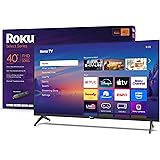
Roku Smart TV – 40-Inch Select Series, 1080p Full HD TV – Roku TV with Voice Remote – Flat Screen LED Television with Wi-Fi for Streaming Live Local News, Sports, Family Entertainment
$129.99 (as of March 21, 2026 02:58 GMT +00:00 – More infoProduct prices and availability are accurate as of the date/time indicated and are subject to change. Any price and availability information displayed on [relevant Amazon Site(s), as applicable] at the time of purchase will apply to the purchase of this product.)
LSS Laptop 17-17.3″ Skin Cover with Colorful Almond Trees Pattern for HP Dell Lenovo Apple Asus Acer Compaq – Fits 16.5″ 17″ 17.3″ 18.4″ 19″ (2 Wrist Pads Free)
$13.95 (as of March 21, 2026 02:58 GMT +00:00 – More infoProduct prices and availability are accurate as of the date/time indicated and are subject to change. Any price and availability information displayed on [relevant Amazon Site(s), as applicable] at the time of purchase will apply to the purchase of this product.)
Amazon Fire TV 43″ 4-Series (newest model), 4K Ultra HD smart TV with Alexa Remote, HDR10+, fast processor, Dolby Audio, Ambient Experience, free and live TV
$199.97 (as of March 21, 2026 02:58 GMT +00:00 – More infoProduct prices and availability are accurate as of the date/time indicated and are subject to change. Any price and availability information displayed on [relevant Amazon Site(s), as applicable] at the time of purchase will apply to the purchase of this product.)
INSIGNIA 55-inch Class F50 Series LED 4K UHD Smart Fire TV with Alexa Voice Remote (NS-55F501NA26)
$179.98 (as of March 21, 2026 02:58 GMT +00:00 – More infoProduct prices and availability are accurate as of the date/time indicated and are subject to change. Any price and availability information displayed on [relevant Amazon Site(s), as applicable] at the time of purchase will apply to the purchase of this product.)
2 Pack Replacement Remote Control Only for Roku TV, Compatible for TCL Roku/Hisense Roku/Onn Roku/Sharp Roku/Philips Roku/Element Roku/Westinghouse Roku TVs (Not for Roku Stick, Box or Speaker)
$6.99 (as of March 21, 2026 02:58 GMT +00:00 – More infoProduct prices and availability are accurate as of the date/time indicated and are subject to change. Any price and availability information displayed on [relevant Amazon Site(s), as applicable] at the time of purchase will apply to the purchase of this product.)
Apple 2026 MacBook Neo 13-inch Laptop with A18 Pro chip: Built for AI and Apple Intelligence, Liquid Retina Display, 8GB Unified Memory, 512GB SSD Storage, 1080p FaceTime HD Camera, Touch ID; Indigo
$689.99 (as of March 21, 2026 02:58 GMT +00:00 – More infoProduct prices and availability are accurate as of the date/time indicated and are subject to change. Any price and availability information displayed on [relevant Amazon Site(s), as applicable] at the time of purchase will apply to the purchase of this product.)
ORICO 4FT Purple Travel Power Strip with 4 AC Outlets, 2 USB-A Ports, and 1 USB-C Port, 45° Flat Plug Extension Cord with Non Surge Protector for Travel/Home/Dorm/Office-AP3
$16.48 (as of March 21, 2026 02:58 GMT +00:00 – More infoProduct prices and availability are accurate as of the date/time indicated and are subject to change. Any price and availability information displayed on [relevant Amazon Site(s), as applicable] at the time of purchase will apply to the purchase of this product.)
USB C Headphones for iPhone 17/16/15 Pro Max Plus Type C Earphones with Microphone & Remote Noise Cancelling Earbuds for iPhone 17/16/15 Pro, iPad, Galaxy S23/S22/S21/S20/Ultra Note 10/20
$9.49 (as of March 21, 2026 02:58 GMT +00:00 – More infoProduct prices and availability are accurate as of the date/time indicated and are subject to change. Any price and availability information displayed on [relevant Amazon Site(s), as applicable] at the time of purchase will apply to the purchase of this product.)
Apple Watch Series 11 [GPS 42mm] Smartwatch with Rose Gold Aluminum Case with Light Blush Sport Band – S/M. Sleep Score, Fitness Tracker, Health Monitoring, Always-On Display, Water Resistant
$299.00 (as of March 21, 2026 02:58 GMT +00:00 – More infoProduct prices and availability are accurate as of the date/time indicated and are subject to change. Any price and availability information displayed on [relevant Amazon Site(s), as applicable] at the time of purchase will apply to the purchase of this product.)