The CPU, or central processing unit, is the core component of any computer system. It acts as the brain of the computer, performing all the necessary calculations and executing instructions. Understanding how the CPU works is essential in comprehending the overall functioning of a computer. In this article, we will delve into the inner workings of the CPU, discussing its key components and the process it follows to carry out tasks.
Components of a CPU
A CPU consists of various components that work together to process instructions. Firstly, we have the control unit, responsible for coordinating all operations within the CPU. It fetches instructions from the computer’s memory, decodes them, and directs the necessary actions. Next, we have the arithmetic logic unit (ALU), which performs calculations and logical operations, such as addition, subtraction, or comparisons. Lastly, we find the registers, which are small, high-speed data storage areas used to temporarily hold data during processing.
Fetch, Decode, Execute
The CPU operates in a cycle known as the fetch-decode-execute cycle. In the fetch stage, the CPU retrieves the next instruction from the memory using the program counter. This instruction is then passed to the control unit, which decodes it by determining the operation to be performed. Once decoded, the instruction’s operands are fetched from the memory or registers, and finally, the instruction is executed by the ALU.
Instruction Set Architecture
The CPU’s instruction set architecture (ISA) defines the set of instructions it can understand and execute. Each instruction is represented by a binary code, varying in length depending on the complexity of the command. The ISA determines the available data types, the addressing modes, and the assembly language used to program the CPU. Different CPUs may have different ISAs, meaning they may not execute the same instructions or support the same features.
Performance Enhancements and Parallelism
To improve overall performance, CPUs employ various techniques. One such technique is pipelining, where multiple instructions are overlapped, allowing for better utilization of the CPU’s resources. Another technique is caching, through which the CPU stores frequently used data closer to itself, reducing the time needed to fetch data from the main memory. Additionally, modern CPUs utilize parallelism by employing multiple cores, allowing them to execute instructions simultaneously.
In conclusion, the CPU is an intricate component responsible for performing the calculations and executing instructions necessary for the functioning of a computer system. Understanding its components, the fetch-decode-execute cycle, the instruction set architecture, and the performance enhancements employed is crucial in comprehending the efficiency and capabilities of a CPU. With advancements in technology, CPUs continue to evolve, becoming faster, more efficient, and capable of handling increasingly complex tasks.
Affiliate Program

(2 Pack) Cover for Samsung Remote Silicone Protective Case Compatible with Samsung TV Remote Control Cover BN59 Series Glow in The Dark Remote Skin Sleeve
$8.99 (as of March 21, 2026 02:58 GMT +00:00 – More infoProduct prices and availability are accurate as of the date/time indicated and are subject to change. Any price and availability information displayed on [relevant Amazon Site(s), as applicable] at the time of purchase will apply to the purchase of this product.)
Amazon Kindle Paperwhite Signature Edition 32GB (newest model) – 20% faster with auto-adjusting front light, wireless charging, and weeks of battery life – Metallic Black
$199.99 (as of March 21, 2026 02:58 GMT +00:00 – More infoProduct prices and availability are accurate as of the date/time indicated and are subject to change. Any price and availability information displayed on [relevant Amazon Site(s), as applicable] at the time of purchase will apply to the purchase of this product.)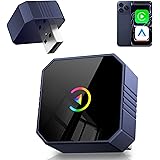
MIXGOLD 2026 Wireless CarPlay for iPhone, 2-in-1 Plug and Play Converts Wired to Wireless CarPlay Android Auto, Fast Auto-Connect, Zero Latency, Car Multichannel Amplifiers
$35.99 (as of March 21, 2026 02:58 GMT +00:00 – More infoProduct prices and availability are accurate as of the date/time indicated and are subject to change. Any price and availability information displayed on [relevant Amazon Site(s), as applicable] at the time of purchase will apply to the purchase of this product.)
JBL Vibe Beam – True Wireless JBL Deep Bass Sound Earbuds, Bluetooth 5.2, Water & Dust Resistant, Hands-Free Call with VoiceAware, Up to 32 Hours of Battery Life (Black)
$29.95 (as of March 21, 2026 02:58 GMT +00:00 – More infoProduct prices and availability are accurate as of the date/time indicated and are subject to change. Any price and availability information displayed on [relevant Amazon Site(s), as applicable] at the time of purchase will apply to the purchase of this product.)
Apple 2025 MacBook Air 15-inch Laptop with M4 chip: Built for Apple Intelligence, 15.3-inch Liquid Retina Display, 16GB Unified Memory, 256GB SSD Storage, Touch ID; Midnight with AppleCare+ (3 Years)
$949.00 (as of March 21, 2026 02:58 GMT +00:00 – More infoProduct prices and availability are accurate as of the date/time indicated and are subject to change. Any price and availability information displayed on [relevant Amazon Site(s), as applicable] at the time of purchase will apply to the purchase of this product.)
Ring Wired Doorbell Pro (newest model), Home or business security, Retinal 4K with wide-angle video, 10x Enhanced Zoom, and Low-Light Sight, Deep Silver
$199.99 (as of March 21, 2026 02:58 GMT +00:00 – More infoProduct prices and availability are accurate as of the date/time indicated and are subject to change. Any price and availability information displayed on [relevant Amazon Site(s), as applicable] at the time of purchase will apply to the purchase of this product.)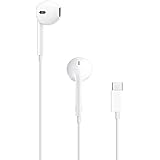
Apple EarPods Headphones with USB-C Plug, Wired Ear Buds with Built-in Remote to Control Music, Phone Calls, and Volume
$19.00 (as of March 21, 2026 02:58 GMT +00:00 – More infoProduct prices and availability are accurate as of the date/time indicated and are subject to change. Any price and availability information displayed on [relevant Amazon Site(s), as applicable] at the time of purchase will apply to the purchase of this product.)
Replacement for Apple-TV-4K-Remote, Remote Control for Apple TV 4K/HD (NOT Siri and Voice)
$7.99 (as of March 21, 2026 02:58 GMT +00:00 – More infoProduct prices and availability are accurate as of the date/time indicated and are subject to change. Any price and availability information displayed on [relevant Amazon Site(s), as applicable] at the time of purchase will apply to the purchase of this product.)
Roku TV Remote Control (Official Manufacturer Product) – Simple Setup, & Pre-Set App Shortcuts – Replacement Remote Compatible with RokuTV Models ONLY (Not Roku Players)
$9.99 (as of March 21, 2026 02:58 GMT +00:00 – More infoProduct prices and availability are accurate as of the date/time indicated and are subject to change. Any price and availability information displayed on [relevant Amazon Site(s), as applicable] at the time of purchase will apply to the purchase of this product.)