Graphics Processing Unit (GPU) is a specialized electronic circuit or chip designed to rapidly render and manipulate images, videos, and other visual data. It is a crucial component in modern computer systems, especially in gaming, graphic design, scientific simulations, artificial intelligence, and cryptocurrency mining. In this article, we will explore how GPUs work and their role in enhancing computer graphics and computational power.
To understand the working of a GPU, it is essential to know its architecture and components. Unlike the Central Processing Unit (CPU), which is a general-purpose processor, the GPU is specifically optimized for parallel processing and performing repetitive mathematical calculations involved in rendering graphics.
The GPU architecture consists of three major components: the Arithmetic Logic Unit (ALU), the Memory Interface, and the Control Unit.
- ALU: The ALU is the heart of a GPU, responsible for executing mathematical operations. It consists of multiple processing cores, known as stream processors or CUDA cores in Nvidia GPUs. These cores can simultaneously perform calculations, performing tasks such as matrix manipulations, vector operations, and complex graphical transformations. The more ALUs a GPU has, the more computation it can handle in parallel, resulting in improved performance.
- Memory Interface: GPUs have dedicated memory known as Video Random-Access Memory (VRAM) or Graphics RAM (GRAM). This memory is designed to store graphical data efficiently and enables fast data access during rendering. The VRAM is much faster than the system memory (RAM) because it is directly connected to the GPU. It facilitates the speedy exchange of data between the CPU and the GPU, reducing the latency and boosting performance.
- Control Unit: The Control Unit manages the overall execution of instructions, scheduling tasks, and coordinating communication between different components of a GPU. It controls the flow of data, command execution, and synchronization within the GPU.
The GPU works in conjunction with the CPU to perform tasks efficiently. The CPU prepares the data and sends it to the GPU for processing. It then offloads complex computation-intensive tasks to the GPU, which executes them in parallel. Once the processing is complete, the GPU sends the processed data back to the CPU for further usage or display.
GPUs use parallel processing to handle large volumes of data simultaneously, making them highly efficient in graphic-intensive applications. This parallelism is achieved by breaking down complex tasks into numerous smaller tasks that can be executed simultaneously by multiple ALUs within the GPU. By performing multiple calculations at once, GPUs can deliver real-time renderings, complex visual effects, or AI computations that would be impractical or too slow for a CPU to handle alone.
In conclusion, GPUs are specialized processors dedicated to accelerating graphics rendering and data-intensive tasks. Their unique architecture allows for parallel processing, making them capable of handling highly demanding graphical workloads. Utilizing the power of GPUs has revolutionized various industries, enabling high-definition gaming experiences, realistic graphics, scientific simulations, and advanced artificial intelligence applications. The continuous evolution and improvement of GPU technology promise even more impressive capabilities in the future.
Affiliate Program

Roku TV Remote Control (Official Manufacturer Product) – Simple Setup, & Pre-Set App Shortcuts – Replacement Remote Compatible with RokuTV Models ONLY (Not Roku Players)
$9.99 (as of March 21, 2026 02:58 GMT +00:00 – More infoProduct prices and availability are accurate as of the date/time indicated and are subject to change. Any price and availability information displayed on [relevant Amazon Site(s), as applicable] at the time of purchase will apply to the purchase of this product.)
Fujifilm Instax Wide Instant Film Twin Pack with PixiBytes Microfiber Cleaning Cloth… (2 Twin Pack (40 Sheets))
$15.00 (as of March 21, 2026 02:58 GMT +00:00 – More infoProduct prices and availability are accurate as of the date/time indicated and are subject to change. Any price and availability information displayed on [relevant Amazon Site(s), as applicable] at the time of purchase will apply to the purchase of this product.)
Amazon Echo Dot (newest model) – Vibrant sounding speaker, Designed for Alexa+, Great for bedrooms, dining rooms and offices, Charcoal
$49.99 (as of March 21, 2026 02:58 GMT +00:00 – More infoProduct prices and availability are accurate as of the date/time indicated and are subject to change. Any price and availability information displayed on [relevant Amazon Site(s), as applicable] at the time of purchase will apply to the purchase of this product.)
SANSUI Computer Monitor 24 inch Eye Care FHD 1080P Display HDMI,VGA Ports with 178° Viewing Angle/Frame-Less/Tilt/VESA Compatible for Office and Home
$77.35 (as of March 21, 2026 02:58 GMT +00:00 – More infoProduct prices and availability are accurate as of the date/time indicated and are subject to change. Any price and availability information displayed on [relevant Amazon Site(s), as applicable] at the time of purchase will apply to the purchase of this product.)
Replacement for Apple-TV-4K-Remote, Remote Control for Apple TV 4K/HD (NOT Siri and Voice)
$7.99 (as of March 21, 2026 02:58 GMT +00:00 – More infoProduct prices and availability are accurate as of the date/time indicated and are subject to change. Any price and availability information displayed on [relevant Amazon Site(s), as applicable] at the time of purchase will apply to the purchase of this product.)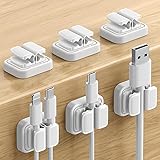
6Pack Cord Organzier Spring Clip Holder – Lamicall 3-in-1 Small Clips for Desk Cable Management, Adhesive Adjustable Cable Clips Holder for Charger Wire, USB Cord, Office, Car, Desk Accessories
$8.99 (as of March 21, 2026 02:58 GMT +00:00 – More infoProduct prices and availability are accurate as of the date/time indicated and are subject to change. Any price and availability information displayed on [relevant Amazon Site(s), as applicable] at the time of purchase will apply to the purchase of this product.)
Beats Solo 4 – Wireless On-Ear Bluetooth Headphones, Up to 50-Hour Battery Life, Ultra-Lightweight Comfort, Powerful and Balanced Sound, Apple & Android Compatible – Matte Black
$129.95 (as of March 21, 2026 02:58 GMT +00:00 – More infoProduct prices and availability are accurate as of the date/time indicated and are subject to change. Any price and availability information displayed on [relevant Amazon Site(s), as applicable] at the time of purchase will apply to the purchase of this product.)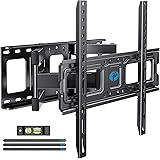
Pipishell TV Wall Mount for 26-74 inch LED LCD OLED 4K TVs up to 99lbs, Full Motion TV Mount Bracket Articulating Swivel Extension Tilting Leveling Max VESA 400x400mm, Fits 12/16 Inch Wood Studs
$28.04 (as of March 21, 2026 02:58 GMT +00:00 – More infoProduct prices and availability are accurate as of the date/time indicated and are subject to change. Any price and availability information displayed on [relevant Amazon Site(s), as applicable] at the time of purchase will apply to the purchase of this product.)
Fujifilm Instax Wide Film Twin Pack (White)
$15.00 (as of March 21, 2026 02:58 GMT +00:00 – More infoProduct prices and availability are accurate as of the date/time indicated and are subject to change. Any price and availability information displayed on [relevant Amazon Site(s), as applicable] at the time of purchase will apply to the purchase of this product.)