LED stands for Light Emitting Diode, and it is one of the most innovative and energy-efficient lighting technologies available today. LEDs have revolutionized the lighting industry, offering numerous benefits over traditional incandescent and fluorescent lights. But how does an LED actually work? Let’s delve into the fascinating world of LED technology.
At its core, an LED is a semiconductor device that emits light when an electric current passes through it. Unlike incandescent bulbs that rely on heating a filament to produce light, LEDs function through a completely different mechanism called electroluminescence.
Electroluminescence is the process of generating light by passing electrons through a semiconductor material. In the case of an LED, this semiconductor is typically made of a compound called gallium nitride (GaN). Gallium nitride is an excellent choice for LEDs as it emits light efficiently throughout the visible spectrum.
The LED itself consists of several key components—the semiconductor chip, electrodes, and a package to protect and enhance the light emission. Generally, the semiconductor chip is a small wafer made of a combination of n-type and p-type semiconductors. N-type semiconductors have an excess of negatively charged electrons, while p-type semiconductors have a scarcity of electrons, known as electron holes.
When a voltage is applied across the LED circuit, electrons from the n-type material move towards the p-type material, while the electron holes in the p-type material move towards the n-type material. As these electrons and electron holes meet, they combine, releasing energy in the form of photons, also known as light particles.
To ensure an efficient flow of electrons and electron holes, the LED is designed with electrodes. The cathode, or negative electrode, is attached to the n-type semiconductor, while the anode, or positive electrode, is connected to the p-type semiconductor. This electrode arrangement directs the current flow through the semiconductor chip, facilitating the electroluminescence process.
Moreover, to protect the delicate semiconductor material and improve light emission, LEDs are typically encapsulated in a package. The package is usually made of a translucent material that allows light to escape while safeguarding the semiconductor chip from environmental factors.
Additionally, LEDs can be made of different colors by using different semiconductor materials. By controlling the composition of the semiconductor chip, manufacturers can produce LEDs in various colors, such as red, green, blue, and even white.
One of the most significant advantages of LEDs is their exceptional energy efficiency. Unlike traditional light bulbs that produce a considerable amount of heat, LEDs convert a large majority of the electrical energy into light, minimizing wasted energy as heat. This efficiency makes LEDs far more economical in the long run and reduces both energy consumption and greenhouse gas emissions.
LEDs have transformed the lighting industry, finding applications in a broad range of sectors. From lighting up homes and offices to automotive lighting, from electronic displays to horticultural lighting, LEDs have become a key component in various technological advancements.
In conclusion, LEDs work by utilizing the phenomenon of electroluminescence in which a semiconductor material emits light when an electric current passes through it. This technology offers numerous benefits such as energy efficiency, longer lifespan, and versatile applications. As scientists and engineers continue to refine LED technology, we can look forward to even more efficient and innovative lighting solutions in the future.
Affiliate Program

FUJIFILM Instax Mini Instant Film Twin Pack (White), 20 Photos
$16.98 (as of March 21, 2026 02:58 GMT +00:00 – More infoProduct prices and availability are accurate as of the date/time indicated and are subject to change. Any price and availability information displayed on [relevant Amazon Site(s), as applicable] at the time of purchase will apply to the purchase of this product.)
MIXGOLD 2026 Wireless CarPlay for iPhone, 2-in-1 Plug and Play Converts Wired to Wireless CarPlay Android Auto, Fast Auto-Connect, Zero Latency, Car Multichannel Amplifiers
$35.99 (as of March 21, 2026 02:58 GMT +00:00 – More infoProduct prices and availability are accurate as of the date/time indicated and are subject to change. Any price and availability information displayed on [relevant Amazon Site(s), as applicable] at the time of purchase will apply to the purchase of this product.)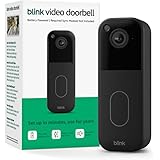
Blink Video Doorbell (newest model) – Head-to-toe HD view, two-year battery life, and simple setup. Required Sync Module not included – Add-On (Black)
$29.99 (as of March 21, 2026 02:58 GMT +00:00 – More infoProduct prices and availability are accurate as of the date/time indicated and are subject to change. Any price and availability information displayed on [relevant Amazon Site(s), as applicable] at the time of purchase will apply to the purchase of this product.)
(Pack of 2) Replacement Remote Control Only for Roku TV, Compatible for TCL Roku/Hisense Roku/Onn Roku/Sharp Roku/Element Roku/Westinghouse Roku/Philips Roku Smart TVs (Not for Roku Stick and Box)
$9.97 (as of March 21, 2026 02:58 GMT +00:00 – More infoProduct prices and availability are accurate as of the date/time indicated and are subject to change. Any price and availability information displayed on [relevant Amazon Site(s), as applicable] at the time of purchase will apply to the purchase of this product.)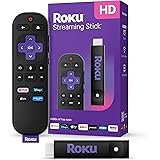
Roku Streaming Stick HD — HD Streaming Device for TV with Roku Voice Remote, Free & Live TV
$17.99 (as of March 21, 2026 02:58 GMT +00:00 – More infoProduct prices and availability are accurate as of the date/time indicated and are subject to change. Any price and availability information displayed on [relevant Amazon Site(s), as applicable] at the time of purchase will apply to the purchase of this product.)
USB C Headphones for iPhone 17/16/15 Pro Max Plus Type C Earphones with Microphone & Remote Noise Cancelling Earbuds for iPhone 17/16/15 Pro, iPad, Galaxy S23/S22/S21/S20/Ultra Note 10/20
$9.49 (as of March 21, 2026 02:58 GMT +00:00 – More infoProduct prices and availability are accurate as of the date/time indicated and are subject to change. Any price and availability information displayed on [relevant Amazon Site(s), as applicable] at the time of purchase will apply to the purchase of this product.)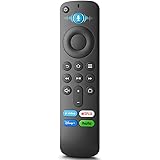
Replacement Voice Remote Control for Fire Stick/Amazon Toshiba Insignia Fire Smart TVs(1st/2nd/3rd Gen)
$13.97 (as of March 21, 2026 02:58 GMT +00:00 – More infoProduct prices and availability are accurate as of the date/time indicated and are subject to change. Any price and availability information displayed on [relevant Amazon Site(s), as applicable] at the time of purchase will apply to the purchase of this product.)
Fujifilm Instax Wide Film Twin Pack (White)
$15.00 (as of March 21, 2026 02:58 GMT +00:00 – More infoProduct prices and availability are accurate as of the date/time indicated and are subject to change. Any price and availability information displayed on [relevant Amazon Site(s), as applicable] at the time of purchase will apply to the purchase of this product.)
Amazon Echo Show 11 (newest model), Vibrant Full-HD 11″ display with more viewing area and spatial audio, Designed for Alexa+, Graphite
$169.99 (as of March 21, 2026 02:58 GMT +00:00 – More infoProduct prices and availability are accurate as of the date/time indicated and are subject to change. Any price and availability information displayed on [relevant Amazon Site(s), as applicable] at the time of purchase will apply to the purchase of this product.)