Introduction
Hydrogen fuel cells are emerging as a high-potential technology that offers significant energy efficiency and decarbonization benefits across various industries. From automotive to heavy transport, these cells are revolutionizing the way we think about clean energy. In this article, we’ll delve into the fascinating world of hydrogen fuel cells, exploring how they work, their advantages, and their diverse applications.
How Hydrogen Fuel Cells Work
Similar to batteries, fuel cells convert energy stored in molecules into electricity through an electrochemical reaction. Here’s how a typical hydrogen fuel cell operates:
- Anode: Hydrogen enters the fuel cell via the anode. Here, hydrogen atoms react with a catalyst, splitting into electrons and protons.
- Cathode: Oxygen from the ambient air enters through the cathode. Positively charged protons pass through the porous electrolyte membrane to the cathode.
- Electric Current: The negatively charged electrons flow out of the cell, generating an electric current. This current can power electric or hybrid-electric propulsion systems.
- Water Production: In the cathode, protons and oxygen combine to produce water.
Applications of Hydrogen Fuel Cells
- Emergency Backup Power: Fuel cells provide critical facilities like hospitals with reliable backup power during outages.
- Grid Independence: They replace grid electricity for critical-load facilities such as data centers.
- Transportation: Hydrogen fuel cells power cars, buses, trains, and even forklifts.
- Future Prospects: Tomorrow, they could potentially drive low-carbon cities, portable devices, and zero-emission aircraft.
In conclusion, hydrogen fuel cells hold immense promise for a sustainable future. As we continue to innovate, these cells will play a pivotal role in powering our world while minimizing environmental impact.
Affiliate Program

Meta Quest 3 512GB | VR Headset — Thirty Percent Sharper Resolution — 2X Graphical Processing Power — Virtual Reality Without Wires — Access to 40+ Games with a 3-Month Trial of Meta Horizon+ Included
$499.00 (as of March 21, 2026 02:58 GMT +00:00 – More infoProduct prices and availability are accurate as of the date/time indicated and are subject to change. Any price and availability information displayed on [relevant Amazon Site(s), as applicable] at the time of purchase will apply to the purchase of this product.)
Fujifilm Instax Wide Instant Film Twin Pack with PixiBytes Microfiber Cleaning Cloth… (2 Twin Pack (40 Sheets))
$15.00 (as of March 21, 2026 02:58 GMT +00:00 – More infoProduct prices and availability are accurate as of the date/time indicated and are subject to change. Any price and availability information displayed on [relevant Amazon Site(s), as applicable] at the time of purchase will apply to the purchase of this product.)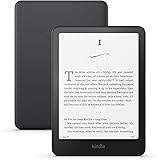
Amazon Kindle Paperwhite 16GB (newest model) – 20% faster, with new 7″ glare-free display and weeks of battery life – Black
$159.99 (as of March 21, 2026 02:58 GMT +00:00 – More infoProduct prices and availability are accurate as of the date/time indicated and are subject to change. Any price and availability information displayed on [relevant Amazon Site(s), as applicable] at the time of purchase will apply to the purchase of this product.)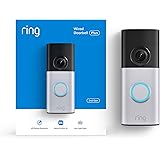
Ring Wired Doorbell Plus (newest model), Home or business security, Retinal 2K with wide-angle video, 4x Enhanced Zoom, and Low-Light Sight, Nickel Silver
$149.99 (as of March 21, 2026 02:58 GMT +00:00 – More infoProduct prices and availability are accurate as of the date/time indicated and are subject to change. Any price and availability information displayed on [relevant Amazon Site(s), as applicable] at the time of purchase will apply to the purchase of this product.)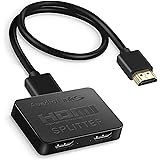
avedio links HDMI Splitter 1 in 2 Out [w/ 4 Ft Hdmi Cable]Not for Extended Display-Mirror Same Screen Only, 4K 1×2 HDMI Splitter 1 to 2 for 3D 1080P@60Hz, Copy 1 Source to 2 Displays at The Same Time
$14.28 (as of March 21, 2026 02:58 GMT +00:00 – More infoProduct prices and availability are accurate as of the date/time indicated and are subject to change. Any price and availability information displayed on [relevant Amazon Site(s), as applicable] at the time of purchase will apply to the purchase of this product.)
Beats Studio Pro – Premium Wireless Over-Ear Headphones- Up to 40-Hour Battery Life, Active Noise Cancelling, USB-C Lossless Audio, Apple & Android Compatible – Black
$169.95 (as of March 21, 2026 02:58 GMT +00:00 – More infoProduct prices and availability are accurate as of the date/time indicated and are subject to change. Any price and availability information displayed on [relevant Amazon Site(s), as applicable] at the time of purchase will apply to the purchase of this product.)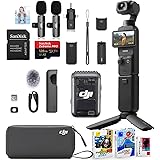
DJI Osmo Pocket 3 Creator Combo Bundle + Accessories Including 128GB Extreme Card & Software
$539.00 (as of March 21, 2026 02:58 GMT +00:00 – More infoProduct prices and availability are accurate as of the date/time indicated and are subject to change. Any price and availability information displayed on [relevant Amazon Site(s), as applicable] at the time of purchase will apply to the purchase of this product.)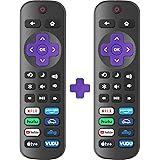
2 Pack Replacement Remote Control Only for Roku TV, Compatible for TCL Roku/Hisense Roku/Onn Roku/Sharp Roku/Philips Roku/Element Roku/Westinghouse Roku TVs (Not for Roku Stick, Box or Speaker)
$6.99 (as of March 21, 2026 02:58 GMT +00:00 – More infoProduct prices and availability are accurate as of the date/time indicated and are subject to change. Any price and availability information displayed on [relevant Amazon Site(s), as applicable] at the time of purchase will apply to the purchase of this product.)
Skullcandy Dime 3 Wireless Earbuds, Bluetooth Headphones, Noise Isolating Fit, Up to 20 Hours Battery, Microphone for iPhone Android, Easy Carry with Integrated Lanyard – Bone
$19.88 (as of March 21, 2026 02:58 GMT +00:00 – More infoProduct prices and availability are accurate as of the date/time indicated and are subject to change. Any price and availability information displayed on [relevant Amazon Site(s), as applicable] at the time of purchase will apply to the purchase of this product.)