1. What Are Hybrid Cars?
Hybrid cars combine the power of electric motors with internal combustion engines. They offer improved fuel efficiency and reduced emissions compared to traditional gasoline-only vehicles. Within the realm of hybrids, we encounter two main categories: full hybrids and mild hybrids.
2. Mild Hybrids (MHEVs)
- Definition: Mild hybrids are the most basic type of electrified cars available. They bridge the gap between conventional gasoline vehicles and fully electric cars.
- Key Features:
- Conventional Engine: Mild hybrids primarily run on a conventional internal combustion engine.
- Assistance System: They incorporate a small generator (replacing the starter motor) and a separate lithium-ion battery. These components assist the engine during acceleration and enhance the start-stop system’s efficiency.
- Emissions Focus: Mild hybrids are designed to tackle exhaust emissions. Car manufacturers integrate electric components to meet government targets and take advantage of tax incentives based on CO2 emissions per kilometer.
- Fuel Economy: While they don’t offer significant electric-only driving capability, mild hybrids improve fuel economy and contribute to cleaner air.
- No Plug Required: Unlike plug-in hybrids, mild hybrids don’t need external charging; they recharge their battery through regenerative braking and engine power.
3. Full Hybrids
- Definition: Full hybrids (often simply called “hybrids”) strike a balance between internal combustion engines and electric motors. They are more sophisticated than mild hybrids.
- Key Features:
- Engine as a Generator: Full hybrids can use their internal combustion engine as a generator for a battery and electric motor.
- Electric-Only Mode: Unlike mild hybrids, full hybrids allow short electric-only travel (usually up to a mile or two). During this mode, the engine shuts off briefly, saving fuel.
- Battery Size: Full hybrids have a larger battery than mild hybrids but smaller than plug-in hybrids.
- Lower Emissions: They offer improved fuel economy and lower CO2 emissions.
- Self-Charging Hybrids: Some manufacturers refer to full hybrids as “self-charging” hybrids, emphasizing their ability to recharge the battery during operation.
4. Which One Should You Choose?
- Mild Hybrids: Opt for mild hybrids if you want better fuel economy, reduced emissions, and a seamless transition without the need for external charging.
- Full Hybrids: If you desire short electric-only trips and further fuel savings, consider full hybrids.
5. Conclusion
Mild and full hybrids contribute to cleaner and more cost-effective driving. Whether you choose mild or full, you’re embracing a greener future on the road.
Remember, the choice ultimately depends on your driving habits, environmental concerns, and personal preferences. Happy hybrid driving!
Sources:
- Top Gear: What’s a mild hybrid? And how’s it different to a full hybrid?1
- Driving.co.uk: Mild, Plug-in and Full Hybrid Cars2
- CarsDirect: Are Mild Hybrids Worth It?3
Affiliate Program

Apple Watch Series 11 [GPS 42mm] Smartwatch with Rose Gold Aluminum Case with Light Blush Sport Band – S/M. Sleep Score, Fitness Tracker, Health Monitoring, Always-On Display, Water Resistant
$299.00 (as of March 21, 2026 02:58 GMT +00:00 – More infoProduct prices and availability are accurate as of the date/time indicated and are subject to change. Any price and availability information displayed on [relevant Amazon Site(s), as applicable] at the time of purchase will apply to the purchase of this product.)
MIXGOLD 2026 Wireless CarPlay for iPhone, 2-in-1 Plug and Play Converts Wired to Wireless CarPlay Android Auto, Fast Auto-Connect, Zero Latency, Car Multichannel Amplifiers
$35.99 (as of March 21, 2026 02:58 GMT +00:00 – More infoProduct prices and availability are accurate as of the date/time indicated and are subject to change. Any price and availability information displayed on [relevant Amazon Site(s), as applicable] at the time of purchase will apply to the purchase of this product.)
32Pcs Demon Hunters Stickers, Korean Idol DIY Dress-Up Stickers, Waterproof Vinyl Stickers for Laptop Phone Skateboard Water Bottle, Cute Korean Fashion Gift for Kpop Fans
$12.99 (as of March 21, 2026 02:58 GMT +00:00 – More infoProduct prices and availability are accurate as of the date/time indicated and are subject to change. Any price and availability information displayed on [relevant Amazon Site(s), as applicable] at the time of purchase will apply to the purchase of this product.)
Apple AirTag (2nd Generation): Tracker for Keychain, Wallet, and More; Locator with Sound; Simple One-Tap Setup with iPhone or iPad; Key Finder with up to 1.5X Precision Finding Range, Pack of 20
$29.00 (as of March 21, 2026 02:58 GMT +00:00 – More infoProduct prices and availability are accurate as of the date/time indicated and are subject to change. Any price and availability information displayed on [relevant Amazon Site(s), as applicable] at the time of purchase will apply to the purchase of this product.)
Roku Streaming Stick HD — HD Streaming Device for TV with Roku Voice Remote, Free & Live TV
$17.99 (as of March 21, 2026 02:58 GMT +00:00 – More infoProduct prices and availability are accurate as of the date/time indicated and are subject to change. Any price and availability information displayed on [relevant Amazon Site(s), as applicable] at the time of purchase will apply to the purchase of this product.)
JBL Vibe Beam – True Wireless JBL Deep Bass Sound Earbuds, Bluetooth 5.2, Water & Dust Resistant, Hands-Free Call with VoiceAware, Up to 32 Hours of Battery Life (Black)
$29.95 (as of March 21, 2026 02:58 GMT +00:00 – More infoProduct prices and availability are accurate as of the date/time indicated and are subject to change. Any price and availability information displayed on [relevant Amazon Site(s), as applicable] at the time of purchase will apply to the purchase of this product.)
10Ft Extension Cord with Multiple Outlets, Flat Plug Surge Protector Power Strip 10 Ft Long Cord, 8 Outlets & 4 USB Ports (2 USB C), Desk Charging Station for Home Office, College Dorm Room Essentials
$9.98 (as of March 21, 2026 02:58 GMT +00:00 – More infoProduct prices and availability are accurate as of the date/time indicated and are subject to change. Any price and availability information displayed on [relevant Amazon Site(s), as applicable] at the time of purchase will apply to the purchase of this product.)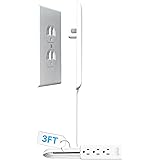
Sleek Socket Original & Patented Flat Ultra-Thin Outlet Concealer with Extension Cord Kit, Multi Outlets Power Strip, Ideal for Home Improvement, Hide Bulky and Messy Cords, 3ft
$21.95 (as of March 21, 2026 02:58 GMT +00:00 – More infoProduct prices and availability are accurate as of the date/time indicated and are subject to change. Any price and availability information displayed on [relevant Amazon Site(s), as applicable] at the time of purchase will apply to the purchase of this product.)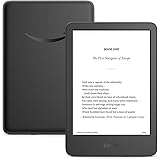
Amazon Kindle 16 GB (newest model) – Lightest and most compact Kindle, now with faster page turns, and higher contrast ratio, for an enhanced reading experience – Black
$109.99 (as of March 21, 2026 02:58 GMT +00:00 – More infoProduct prices and availability are accurate as of the date/time indicated and are subject to change. Any price and availability information displayed on [relevant Amazon Site(s), as applicable] at the time of purchase will apply to the purchase of this product.)