Hybrid cars represent an optimal transition between traditional gasoline-powered vehicles and fully electric cars. By blending efficient fuel combustion technology with electric power, hybrids address the gasoline dependency of conventional cars while avoiding the range anxiety and infrastructure challenges associated with fully electric vehicles. But how exactly do hybrid cars save energy? Let’s explore the science behind it.
1. Dual Systems Promote Efficiency
Hybrid vehicles operate using a dual-system approach, combining a traditional gasoline engine with an electric motor. This arrangement allows for optimized power usage based on driving conditions:
- Urban Driving and Traffic: During low-speed urban driving or traffic, the electric motor predominantly powers the car. Its efficiency is at its peak during these conditions.
- Highway Driving: Conversely, the gasoline engine is more effective for highway driving.
- Acceleration and Uphill Journeys: The electric motor assists the gasoline engine during power-intensive tasks like acceleration or uphill journeys, reducing overall fuel consumption.
Modern hybrids incorporate a stop-start system that shuts off the gasoline engine at idle and restarts it upon acceleration, further conserving fuel. This intelligent use of two power sources, governed by advanced computer systems, ensures that hybrids operate in the most energy-efficient manner possible, particularly in stop-and-go city traffic. This synergy not only improves fuel efficiency but also significantly reduces emissions compared to traditional gasoline-powered vehicles.
2. Regenerative Braking Enhances Energy Efficiency
Regenerative braking is a key feature in hybrid cars that significantly contributes to their energy efficiency. Here’s how it works:
- When a hybrid car slows down or brakes, the electric motor functions as a generator.
- It captures the kinetic energy that is typically lost during braking and converts it into electrical energy.
- This energy is then stored in the vehicle’s battery.
By recapturing energy that would otherwise be wasted during braking, hybrid cars maximize their efficiency. This regenerative braking system not only saves energy but also extends the life of the braking components.
Advantages of Hybrid Cars:
- Fuel Economy: According to the U.S. Department of Energy, hybrid cars can achieve up to 50% better fuel economy than conventional cars. The electric motor supplements the gasoline engine, reducing the amount of gasoline needed to power the car.
- Emissions Reduction: Hybrid cars produce fewer emissions than conventional cars, contributing to cleaner air and a healthier environment.
In summary, hybrid cars intelligently combine the strengths of both gasoline engines and electric motors, resulting in energy savings, reduced emissions, and improved overall efficiency. As technology continues to evolve, hybrids play a crucial role in our transition toward a more sustainable transportation future.
Sources:
- The Science Behind Hybrid Cars: How Does A Hybrid Car Save Energy
- Electric Vehicle Benefits and Considerations – Alternative Fuels Data Center
Affiliate Program

TOZO Hybrid Active Noise Cancelling Wireless Earbuds with 6 Mics AI Clear Call Ear Buds 68H Playtime with LED Display 32 Preset EQs via APP Bluetooth 5.3 IPX8 Waterproof in Ear Headphones
$23.71 (as of March 21, 2026 02:58 GMT +00:00 – More infoProduct prices and availability are accurate as of the date/time indicated and are subject to change. Any price and availability information displayed on [relevant Amazon Site(s), as applicable] at the time of purchase will apply to the purchase of this product.)
Amazon Fire 7 Kids tablet (newest model) ages 3-7. Top-selling 7″ kids tablet on Amazon. Includes 6 months of ad-free and exclusive content, easy parental controls, 10-hr battery, 16 GB, Blue
$59.99 (as of March 21, 2026 02:58 GMT +00:00 – More infoProduct prices and availability are accurate as of the date/time indicated and are subject to change. Any price and availability information displayed on [relevant Amazon Site(s), as applicable] at the time of purchase will apply to the purchase of this product.)
Blink Outdoor 4 – Wireless smart security camera, two-year battery life, two-way talk. Required Sync Module not included – Add-on camera
$37.99 (as of March 21, 2026 02:58 GMT +00:00 – More infoProduct prices and availability are accurate as of the date/time indicated and are subject to change. Any price and availability information displayed on [relevant Amazon Site(s), as applicable] at the time of purchase will apply to the purchase of this product.)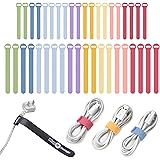
Self-Gripping Cable Ties by Wrap-It Storage, Macaron, 40 Pack (5 Inch and 8 Inch Straps) – Reusable Hook and Loop Cord Wraps for Home Office Desk Organization
$14.99 (as of March 21, 2026 02:58 GMT +00:00 – More infoProduct prices and availability are accurate as of the date/time indicated and are subject to change. Any price and availability information displayed on [relevant Amazon Site(s), as applicable] at the time of purchase will apply to the purchase of this product.)
Amasuki New Upgraded for Watch Charger USB Magnetic Watch Charger Portable Fast Charging Cable Compatible with Watch Ultra2 Ultra/Series 10/9/8/7/6/SE/5/4/3/2/1-Black/1m
$6.99 (as of March 21, 2026 02:58 GMT +00:00 – More infoProduct prices and availability are accurate as of the date/time indicated and are subject to change. Any price and availability information displayed on [relevant Amazon Site(s), as applicable] at the time of purchase will apply to the purchase of this product.)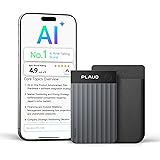
Plaud Note Pro AI Voice Recorder, Transcribe & Summarize with AI, App Control, Note Taker for Meetings & Calls, Supports 112 Languages, Ultra-Slim w/InstantView Display, Case Included, Black
$189.00 (as of March 21, 2026 02:58 GMT +00:00 – More infoProduct prices and availability are accurate as of the date/time indicated and are subject to change. Any price and availability information displayed on [relevant Amazon Site(s), as applicable] at the time of purchase will apply to the purchase of this product.)
6Ft Power Strip Surge Protector – Yintar Extension Cord with 6 AC Outlets and 3 USB Ports for for Home, Office, Dorm Essentials, 1680 Joules, ETL Listed, (Black)
$9.96 (as of March 21, 2026 02:58 GMT +00:00 – More infoProduct prices and availability are accurate as of the date/time indicated and are subject to change. Any price and availability information displayed on [relevant Amazon Site(s), as applicable] at the time of purchase will apply to the purchase of this product.)
Blink Video Doorbell (newest model) – Head-to-toe HD view, two-year battery life, and simple setup. Required Sync Module not included – Add-On (Black)
$29.99 (as of March 21, 2026 02:58 GMT +00:00 – More infoProduct prices and availability are accurate as of the date/time indicated and are subject to change. Any price and availability information displayed on [relevant Amazon Site(s), as applicable] at the time of purchase will apply to the purchase of this product.)
SANSUI 24 Inch Curved 160Hz Gaming Monitor,1500R Curved Gaming Monitor FHD 1080P Computer Monitor,MPRT 1ms Fast VA Display,Freesync,HDR,3000:1, HDMI2.0,DP1.4, VESA Support(ES-G24C1L HDMI Cable Incl.)
$89.99 (as of March 21, 2026 02:58 GMT +00:00 – More infoProduct prices and availability are accurate as of the date/time indicated and are subject to change. Any price and availability information displayed on [relevant Amazon Site(s), as applicable] at the time of purchase will apply to the purchase of this product.)