The Over-the-Counter (OTC) market and a major stock market (like the NYSE or NASDAQ) differ significantly in terms of structure, regulation, and the types of securities traded. Here’s a breakdown of the key differences:
1. Trading Venue
- Major Stock Markets:
- Trading occurs on centralized, formal exchanges like the New York Stock Exchange (NYSE) or NASDAQ.
- These exchanges have physical or electronic trading floors where buyers and sellers interact.
- OTC Market:
- Trading happens directly between parties (dealers or brokers) without a centralized exchange.
- It is a decentralized network of broker-dealers who negotiate trades electronically or over the phone.
2. Listing Requirements
- Major Stock Markets:
- Companies must meet strict listing requirements, including minimum financial standards (e.g., revenue, market capitalization, and share price), corporate governance rules, and reporting obligations.
- Examples: NYSE and NASDAQ have rigorous criteria for companies to list their shares.
- OTC Market:
- Listing requirements are much less stringent or nonexistent.
- Companies on the OTC market may include smaller firms, foreign companies, or those that don’t meet the criteria for major exchanges.
- OTC securities are often categorized into tiers, such as OTCQX (higher quality), OTCQB (emerging companies), and Pink Sheets (riskier, less regulated).
3. Regulation and Transparency
- Major Stock Markets:
- Highly regulated by bodies like the Securities and Exchange Commission (SEC) in the U.S.
- Companies must file regular financial reports (e.g., 10-K, 10-Q) and disclose material information to the public.
- OTC Market:
- Less regulated compared to major exchanges.
- Companies on the OTC market may not be required to file with the SEC or provide the same level of financial transparency.
- This can make OTC stocks riskier and more susceptible to fraud or manipulation.
4. Liquidity and Trading Volume
- Major Stock Markets:
- Generally have higher liquidity and trading volume due to the large number of participants and the presence of well-established companies.
- This makes it easier to buy and sell shares without significantly affecting the price.
- OTC Market:
- Often has lower liquidity and trading volume, especially for smaller or less-known companies.
- This can lead to wider bid-ask spreads (the difference between the buying and selling price), making trading more expensive.
5. Types of Securities Traded
- Major Stock Markets:
- Primarily trade stocks of large, well-established companies.
- Also include ETFs, bonds, and other financial instruments.
- OTC Market:
- Trades a wider variety of securities, including:
- Stocks of small or micro-cap companies.
- Foreign companies that don’t meet U.S. listing requirements.
- Derivatives, bonds, and other non-standard financial instruments.
- Trades a wider variety of securities, including:
6. Investor Access
- Major Stock Markets:
- Accessible to most retail and institutional investors through brokerage accounts.
- OTC Market:
- Also accessible to retail investors, but trading OTC securities may require a broker that supports OTC trading.
- Some OTC stocks may be harder to trade due to low liquidity.
7. Risk Level
- Major Stock Markets:
- Generally considered lower risk due to stricter regulations, transparency, and the presence of established companies.
- OTC Market:
- Higher risk due to less regulation, lower transparency, and the potential for volatile price movements.
- OTC stocks, especially those on the Pink Sheets, are often referred to as penny stocks and can be highly speculative.
Summary Table:
| Feature | Major Stock Markets (NYSE, NASDAQ) | OTC Market |
|---|---|---|
| Trading Venue | Centralized exchange | Decentralized network |
| Listing Requirements | Strict | Minimal or none |
| Regulation | Highly regulated | Less regulated |
| Liquidity | High | Often low |
| Transparency | High | Lower |
| Risk Level | Lower | Higher |
In short, major stock markets are more suitable for investors seeking stability and transparency, while the OTC market can offer opportunities for higher returns but comes with greater risks and less oversight.
Affiliate Program
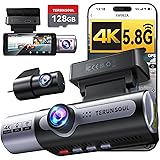
TERUNSOUl 4K Dash Cam Front and Rear, Full HD 3 Channel Dashcam, Free 128GB MicroSD Card, Built-in 5.8GHz WiFi Built-in GPS, Collision Sensor, Night Vision, HDR, 3.16″ IPS, 24H Parking Mode(Black)
$99.99 (as of March 21, 2026 02:58 GMT +00:00 – More infoProduct prices and availability are accurate as of the date/time indicated and are subject to change. Any price and availability information displayed on [relevant Amazon Site(s), as applicable] at the time of purchase will apply to the purchase of this product.)
Amazon Echo Dot (newest model) – Vibrant sounding speaker, Designed for Alexa+, Great for bedrooms, dining rooms and offices, Charcoal
$49.99 (as of March 21, 2026 02:58 GMT +00:00 – More infoProduct prices and availability are accurate as of the date/time indicated and are subject to change. Any price and availability information displayed on [relevant Amazon Site(s), as applicable] at the time of purchase will apply to the purchase of this product.)
Amazon Kindle Paperwhite 16GB (newest model) – 20% faster, with new 7″ glare-free display and weeks of battery life – Black
$159.99 (as of March 21, 2026 02:58 GMT +00:00 – More infoProduct prices and availability are accurate as of the date/time indicated and are subject to change. Any price and availability information displayed on [relevant Amazon Site(s), as applicable] at the time of purchase will apply to the purchase of this product.)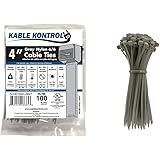
Kable Kontrol Gray Zip Ties 4 Inch 100 Pcs, 18 Lbs Tensile Strength, Self-locking Nylon Colored Cable Ties Wire Wraps for Indoor or Outdoor Use
$3.99 (as of March 21, 2026 02:58 GMT +00:00 – More infoProduct prices and availability are accurate as of the date/time indicated and are subject to change. Any price and availability information displayed on [relevant Amazon Site(s), as applicable] at the time of purchase will apply to the purchase of this product.)
MOSNOVO Case for Airpods 4, Protective Clear Case with Shockproof Dual Layer Hard Luxe Metal Ring Designed for Airpods 4 Generation – Dinosaur Land
$22.99 (as of March 21, 2026 02:58 GMT +00:00 – More infoProduct prices and availability are accurate as of the date/time indicated and are subject to change. Any price and availability information displayed on [relevant Amazon Site(s), as applicable] at the time of purchase will apply to the purchase of this product.)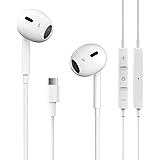
USB C Headphones for iPhone 17/16/15 Pro Max Plus Type C Earphones with Microphone & Remote Noise Cancelling Earbuds for iPhone 17/16/15 Pro, iPad, Galaxy S23/S22/S21/S20/Ultra Note 10/20
$9.49 (as of March 21, 2026 02:58 GMT +00:00 – More infoProduct prices and availability are accurate as of the date/time indicated and are subject to change. Any price and availability information displayed on [relevant Amazon Site(s), as applicable] at the time of purchase will apply to the purchase of this product.)
10Ft Extension Cord with Multiple Outlets, Flat Plug Surge Protector Power Strip 10 Ft Long Cord, 8 Outlets & 4 USB Ports (2 USB C), Desk Charging Station for Home Office, College Dorm Room Essentials
$9.98 (as of March 21, 2026 02:58 GMT +00:00 – More infoProduct prices and availability are accurate as of the date/time indicated and are subject to change. Any price and availability information displayed on [relevant Amazon Site(s), as applicable] at the time of purchase will apply to the purchase of this product.)
Apple iPad 11-inch: A16 chip, 11-inch Model, Liquid Retina Display, 128GB, Wi-Fi 6, 12MP Front/12MP Back Camera, Touch ID, All-Day Battery Life — Silver
$299.00 (as of March 21, 2026 02:58 GMT +00:00 – More infoProduct prices and availability are accurate as of the date/time indicated and are subject to change. Any price and availability information displayed on [relevant Amazon Site(s), as applicable] at the time of purchase will apply to the purchase of this product.)
Amazon Echo Show 11 (newest model), Vibrant Full-HD 11″ display with more viewing area and spatial audio, Designed for Alexa+, Graphite
$169.99 (as of March 21, 2026 02:58 GMT +00:00 – More infoProduct prices and availability are accurate as of the date/time indicated and are subject to change. Any price and availability information displayed on [relevant Amazon Site(s), as applicable] at the time of purchase will apply to the purchase of this product.)